
 Terms & Conditions
 Locations
Design Considerations for Acti9 Isobar Three Phase Distribution Boards
Discover layout, protection and compliance tips for Acti 9 Isobar three-phase distribution boards, helping electricians build safer, neater installs.
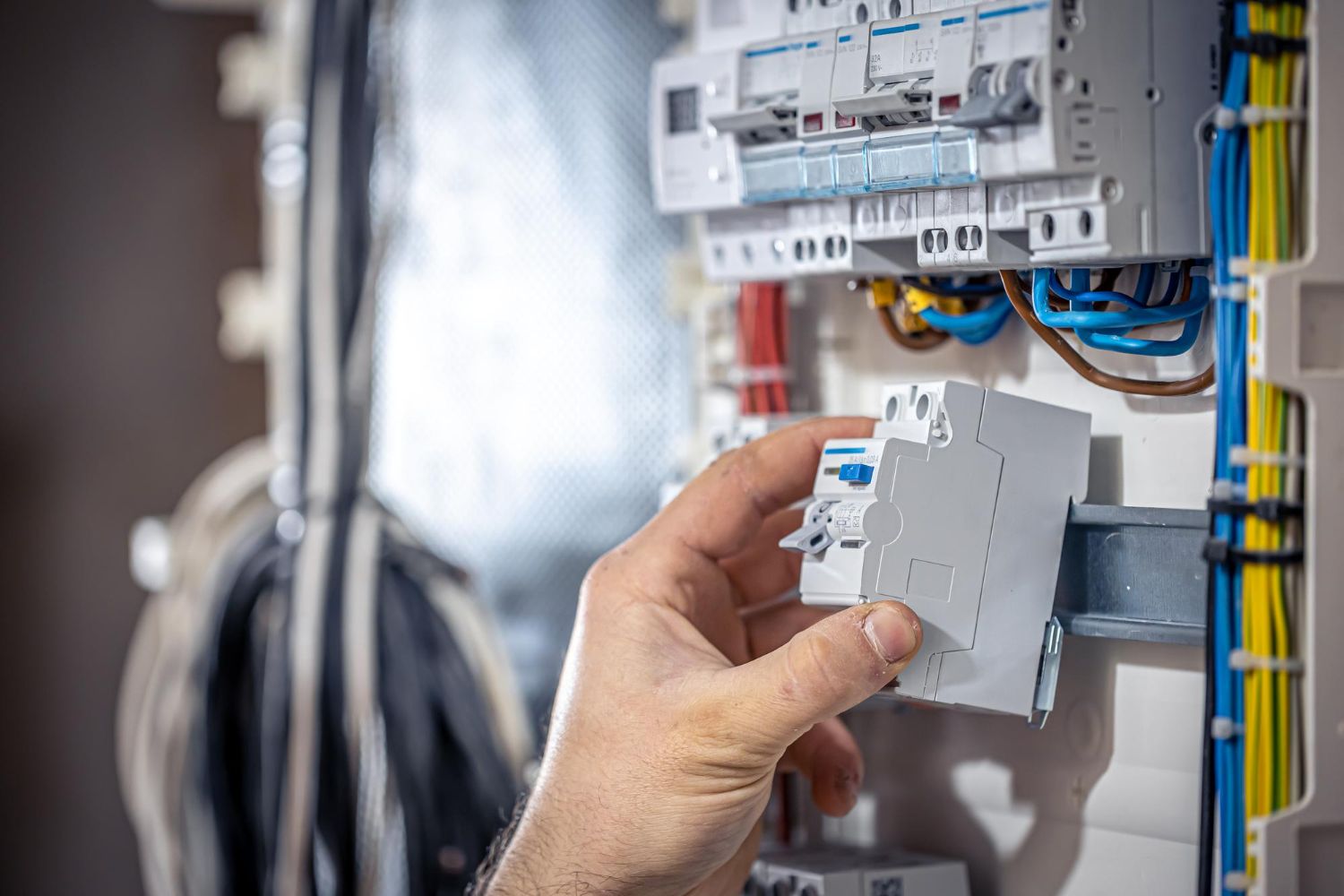
Industrial plants in Australia take a real hit once the late winter and early spring storms roll in. Lightning, strong winds and unstable supply can flip a smooth production day into a mess of trips, alarms and fault lights. Keeping lines running is not just about strong gear, it is about how well that gear is protected from sudden surges.
In factories, quarries, processing plants and commercial buildings, even one bad surge can stop everything. PLCs lock up, drives throw errors, power supplies die and protection devices trip out. That all leads to lost production and stressed maintenance teams trying to work out what failed first.
That is where Schneider Electric’s Acti9 surge protection range comes in, with the Acti9 iPRD surge arrester withdrawable cartridge sitting at the heart of the system. It gives a clear way to protect against surges and get power back online faster after a hit. As an Australian online supplier focused on Schneider Electric switchboard components, we work with electricians, OEMs and switchboard builders who want their boards ready for storm season, not scrambling after it.
On many Australian sites, surges do not only come from direct lightning strikes. They creep in from all kinds of everyday events, such as:
The scary part is that not every surge blows something up right away. A lot of the damage is slow and sneaky. Power supplies might keep running but run hotter. VSDs can show odd trips now and then. Control gear might reset once in a while, and it is easy to blame software or operators instead of the power quality feeding the panel.
Over time, those small surges stress insulation and electronic components. That turns into:
Because of this, good Type 2 surge protection at main and sub‑distribution boards is now seen as normal practice on serious industrial and commercial installations. It is not a fancy extra, it is part of good design, especially when the site has long cable runs, sensitive control systems or is in a storm‑prone area.
Schneider Electric’s Acti9 iPRD surge arrester withdrawable cartridge is built with day‑to‑day maintenance in mind, not just lab specs. The key features many electricians appreciate are:
Instead of having to disconnect wiring or replace a whole device after a major surge, you can pull the used cartridge, clip in a new one and move on. That means less time with covers off and fewer hands near live parts. For plants that run long hours, this can be the difference between a quick scheduled stop and a long unexpected shutdown.
Because the Acti9 system is widely used in Australian industrial and commercial switchboards, iPRD cartridges slot easily into many standard layouts. OEMs and switchboard builders can keep their designs consistent and straightforward. With the right selection, the Acti9 range also supports compliance with local wiring rules and good engineering practice for surge protection on important circuits.
Good surge defence starts at the drawing board. Where you place the Acti9 iPRD surge arrester withdrawable cartridge in a board has a big impact on how well the whole installation rides out a storm.
For most plants, that means protection at:
Multiple iPRD devices can be coordinated so that surges are controlled in stages. Upstream devices take the heavy hit, while downstream devices limit what actually reaches the most sensitive loads. Good discrimination with upstream breakers and fuses helps keep nuisance tripping to a minimum while still clearing real faults.
When choosing the right cartridge, designers and contractors should think about:
Switchboard builders also need to allow the space and layout to make cartridge changes easy. That means planning DIN rail positions, segregation, clear labelling and enough front access so that maintenance staff are not reaching awkwardly around other gear just to pull a cartridge. A little thought in the workshop can save a lot of time on site later.
Once the switchboard is in service, the value of the Acti9 iPRD surge arrester withdrawable cartridge really shows up in day‑to‑day maintenance. Visual status indicators make it simple for crews to check protection during regular inspections. If a cartridge shows it has taken a hit, it can be swapped as part of a planned shutdown, not in the middle of a crisis.
During storm season, when lightning and grid events are more common, this quick changeover becomes an uptime advantage. After a strong surge, maintenance teams can:
For OEMs, designing their machines and control panels with iPRD cartridges built in makes life easier for the end user too. Clear instructions can be given on how to check the devices and when to call an electrician to replace them. That helps lower the total cost of ownership across the life of the equipment.
Many plants choose to keep a small stock of spare cartridges on site. That way they are not waiting on freight at the worst possible time, like when a storm front has just rolled through and the plant needs to get back to full output.
Storms are part of life across much of Australia, especially from August onward when the weather starts to turn. Industrial sites that take surge protection seriously tend to have fewer unexplained shutdowns, fewer strange drive trips and less pressure on maintenance teams when the sky lights up.
Reviewing surge protection is not just about adding devices to a main board. It is about stepping through critical production lines, motor control centres and automation panels and asking where a surge could creep in and what it might damage. Electricians, OEMs and switchboard builders who make the Acti9 iPRD surge arrester withdrawable cartridge a standard part of their designs give themselves and their customers a clearer, safer and quicker way to stay protected.
At Switchboard in a Box, we focus on supplying Schneider Electric switchboard components, protection devices, motor control and automation hardware that fit how Australian sites really operate. When surge protection strategy, good switchboard design and smart maintenance planning all work together, plants are better prepared for whatever the next storm front brings.
If you are planning a new installation or upgrading an existing switchboard, we can help you select the right Acti9 iPRD surge arrester withdrawable cartridge for your project. At Switchboard in a Box, we work with you to ensure compliance, safety and ease of maintenance from the start. Speak with our team about your requirements and we will provide clear, practical advice. To discuss your project or request a quote, simply contact us.
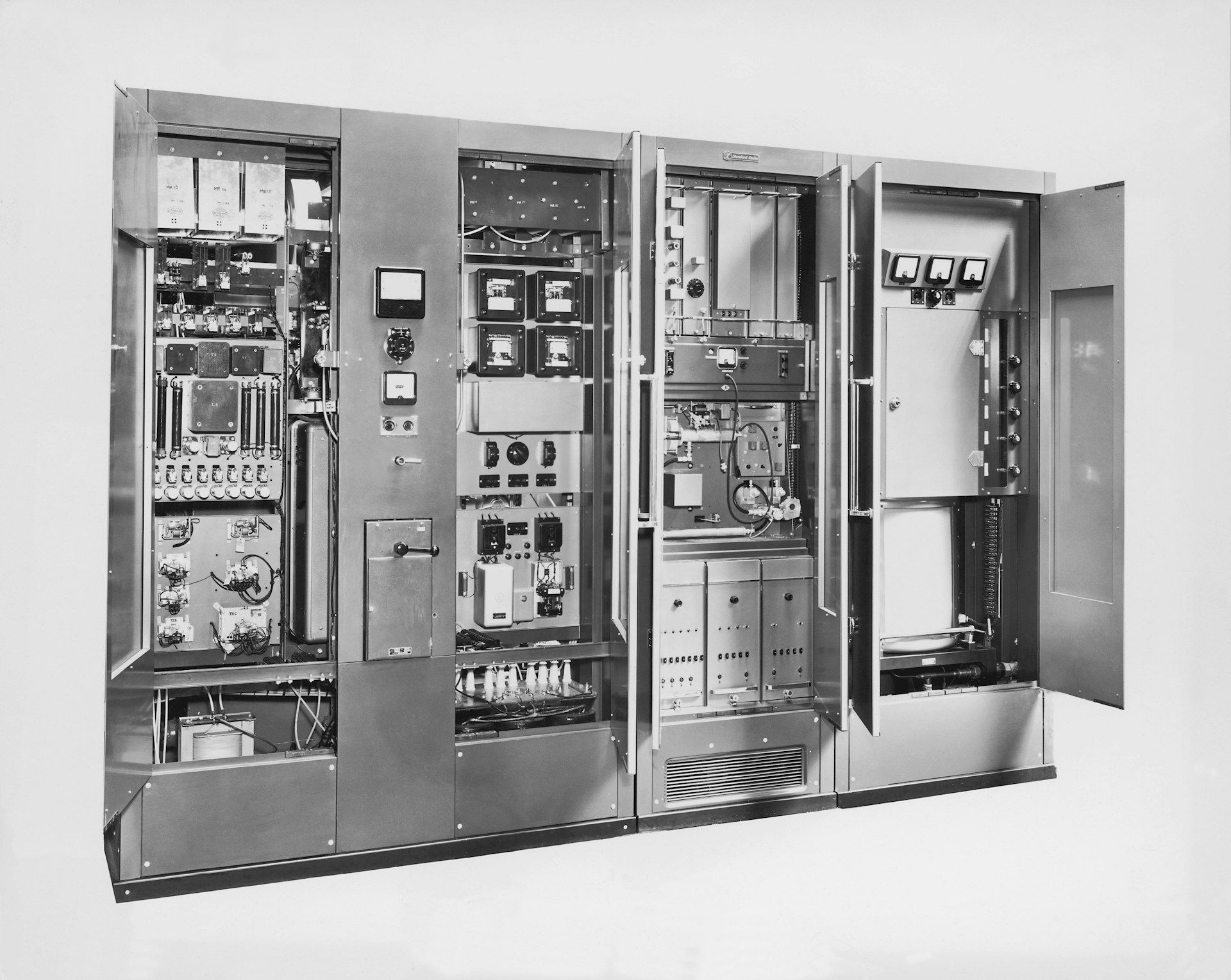
Many plants across Australia are stuck in the same spot: old motor control centres still running, but not running well. The drives trip too often, parts are hard to find, and no one really wants to plan a full MCC replacement that will shut things down for days.
Altivar 71 drives give another option. Instead of ripping out whole sections of a board, we can retrofit these drives into existing motor control panels and lift performance without a full redesign. It is a way to stretch the life of panels that still have good bones, while improving control, protection and reliability.
Late winter and August in particular are a smart time to think about this. There is still a bit of breathing room before the summer heat pushes cooling loads, pumps and process lines to their limits. Planning Altivar 71 upgrades now means your key motors are steady and ready when temperatures climb and demand peaks.
With the right planning, you can keep the gear you already know, avoid big rebuilds, and still get better drive performance where it matters most.
Not every panel needs new drives, but there are clear signs that an Altivar 71 swap is worth a serious look. We see the same triggers again and again in plants and facilities:
When these problems start stacking up, it helps to step back and look at a few decision factors before you commit to a full MCC rebuild.
Key things to review include:
Altivar 71 drives can be fitted as targeted replacements on those trouble spots. By picking off the worst performers first, you can smooth out problem areas, cut energy use on long-running loads like fans, and often delay a large MCC replacement for years. That frees up capital for other projects like new lines, safety upgrades or site expansions.
Before choosing any Altivar 71, the panel itself needs a proper check. A bit of upfront care here saves pain on site later.
On the power and installation side, make sure you are clear on:
Then look at how the control side is built today. Most existing panels have their own contactors, overloads and hardwired interlocks that you still want to use. Things to review include:
The Altivar 71 has flexible I/O and can usually sit neatly into this picture, but it is better to map it out on paper first.
Compliance and safety also matter. In Australia you need to be confident your upgraded panel will align with standards such as AS/NZS 3000 and AS 61439, along with any site rules. That includes checking short circuit ratings, correct earthing, EMC practices and safe lockout and tagout points so electrical work can be done safely during faults or shutdowns.
Altivar 71 drives have a wide feature set, but the real value comes from matching those features to what your motors actually do each day.
For different loads, you might focus on:
On the integration front, there are a few paths you can take. Many existing panels still run mostly on hardwired signals, and the Altivar 71 can work happily in that mode. Where plants are moving to digital networks, you can add communication options for Modbus, Profibus or Ethernet, and tie the drive into the site control system. The choice often comes down to what your PLC and network setup already look like.
Reliability and maintainability are where retrofit projects can quietly win. Some simple but important checks include:
Done well, your upgraded section should be easier to live with than the old gear, not just more complex.
In many parts of Australia, the pattern is pretty clear: winter is calmer, and summer is when systems get pushed. Using late winter and early spring for drive upgrades makes good sense, especially for cooling towers, building HVAC, irrigation, mine dewatering and other long run services.
Seasonal planning often works best when you:
Site readiness is just as important as the gear itself. Before anyone turns a screw, it helps to:
To reduce risk even more, many plants use staged changeovers. For example, you might:
That way, critical services stay available while new drives are integrated and proven inside the existing panels.
Aging motor control panels do not always need the scrap heap. With smart use of Altivar 71 drives, you can turn those panels into efficient, reliable and compliant parts of the plant again, without committing to full replacement.
A practical way forward is to:
At Switchboard in a Box, we work with Schneider Electric switchboards, switchgear, drives, motor control, protection and enclosures every day, supplying projects across Australia. Thoughtful planning, careful panel checks and well chosen Altivar 71 retrofits can keep your existing motor control panels working harder and smarter for many years to come.
If you are planning your next motor control upgrade or new installation, we can help you integrate the Altivar 71 into a practical, compliant solution. At Switchboard in a Box, we work with you to size, configure and package your drives so they are ready to install with minimal site work. Tell us about your project requirements and we will recommend a tailored approach that suits your budget and timeline. To discuss specifications or request a quote, simply contact us.

Choosing when to step up to 63 A on a DIN rail breaker can make or break a project. Go too small and you are back on site fixing nuisance trips. Go too big and you can run into cable issues, selectivity problems, or questions from the inspector.
Across commercial, light industrial and higher-end residential work, final subcircuits are getting heavier. EV chargers, bigger HVAC upgrades before the warm weather hits, commercial kitchens, small machines and denser tenancy fitouts are all pushing past the old 32 A and 40 A comfort zone. Simply oversizing “to be safe” is not a solid plan. It needs to be thought through, compliant, and easy to service.
This is where Acti9 DIN rail circuit breakers at 63 A come in. Once you are beyond standard MCB ratings, the Acti9 C120 range gives you a serious step up in performance, protection and integration, while still sitting neatly on a DIN rail in a modular board.
Acti9 C120 breakers sit between typical miniature circuit breakers and larger frame devices. They are built for higher currents and higher fault levels, which suits many Australian commercial and light industrial boards.
Within the C120 family you will usually see:
A 63 A rating is not just a number on the front. In practice you need to think about:
In many Aussie switchboards, especially in plant rooms or cramped risers, internal temperatures run higher than the air outside. That means a “63 A” breaker might need to be derated if the board runs hot or is tightly packed.
Compared with basic MCBs, Acti9 C120 units give you:
So instead of treating a 63 A device like an oversized light circuit breaker, you are getting something designed for heavier loads and higher stress.
Not every job needs a 63 A device, but there are common use cases where it fits nicely.
Typical scenarios include:
The key is to do the sums. Under AS/NZS 3000 you are looking at:
Going to 63 A can make sense when:
You also need to check:
When those points line up, an Acti9 C120 at 63 A can sit neatly between smaller MCBs and larger molded case breakers.
Once you know you need around 63 A, the next step is picking the right curve and breaking capacity.
Common tripping curves on Acti9 C120 include:
For example:
Breaking capacity needs to match the prospective short-circuit current at the board. Think about:
We always want a breaker with a breaking capacity at or above the calculated fault level at its point in the system.
Coordination and selectivity with upstream MCCBs or main switches is just as important. Proper selection helps:
Using breakers from the same Schneider family often makes coordination studies easier because the devices are designed to work together.
Once the spec is right, the physical install needs the same level of care. Acti9 C120 devices are bigger than small MCBs, so layout matters.
Good practice includes:
From a compliance angle in line with AS/NZS 3000 and AS/NZS 61439, you should be checking:
Design tips for electricians, OEMs and switchboard builders using Schneider ecosystems include:
A tidy, well-thought-out layout makes inspection and later maintenance far easier and safer.
Before you lock in a 63 A Acti9 C120 on your next project, it helps to run a quick mental checklist. We find this simple flow works well:
Taking a few minutes at design stage can save hours of rework once the board is built and energised.
At Switchboard in a Box we focus on Schneider Electric switchboard, protection, control and automation components for Australian electricians, OEMs and switchboard builders. Thoughtful use of Acti9 DIN rail circuit breakers at 63 A, especially the Acti9 C120 range, can help turn a simple spec choice into a safe, reliable and tidy solution for the tougher jobs on your list.
If you are planning a new installation or upgrading an existing board, we can help you choose the right Acti 9 DIN rail circuit breakers (63 A) for the job. At Switchboard in a Box, we work with you to ensure your switchboard components meet Australian standards and your specific site requirements. Reach out through our contact page so we can discuss your project and provide practical, tailored advice.
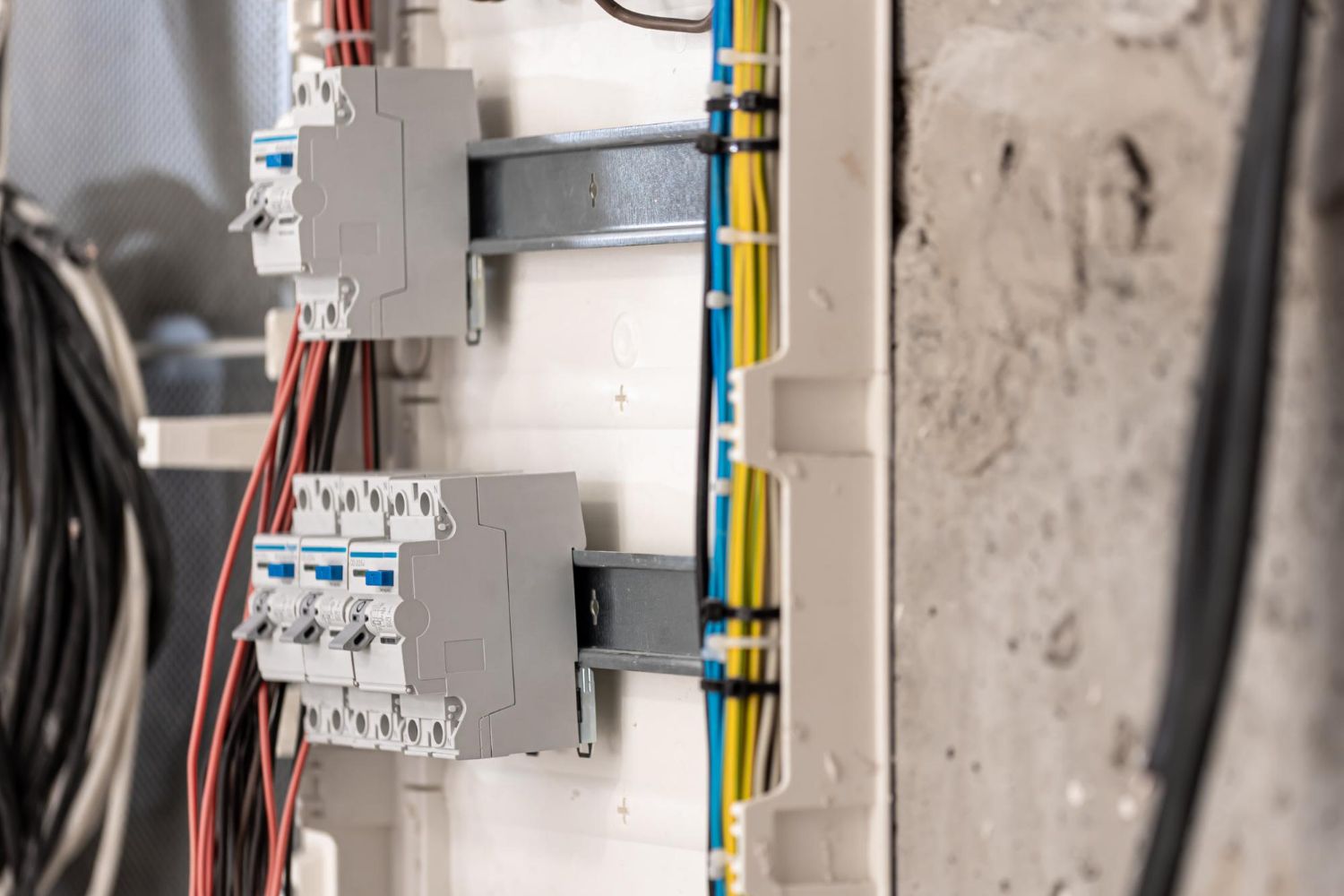
Residual current protection matters most when the weather turns cold and wet. In winter, we see more portable heaters, longer extension leads, damp job sites and temporary power everywhere. All of that can increase earth leakage and fault risks, especially around metalwork and wet areas.
A residual current circuit breaker, or RCCB, is there to trip when it detects leakage to earth, which helps prevent electric shock and reduces the risk of fire. It works alongside MCBs and other protection so people and equipment are better protected if something goes wrong.
Schneider Electric’s Acti9 iID residual current circuit breaker is a popular choice for Australian sparkies and OEMs who want reliable, compliant protection without drama on site. This guide is for electrical contractors, switchboard builders, maintenance teams and engineers who specify Schneider gear for commercial and industrial projects. We will walk through how to choose Acti9 iID devices in a practical way, to cut down on call backs, inspection issues and cold-weather outages.
Acti9 iID RCCBs are designed to provide residual current protection across a wide range of commercial and industrial boards. They sit with MCBs and other Acti9 devices, usually upstream of final subcircuits or grouped loads, and form part of a coordinated protection scheme.
It helps to be clear on what each device does:
So an Acti9 iID residual current circuit breaker is there to deal with shock and leakage risks, while separate MCBs or MCCBs look after overcurrent and fault current.
When you pick an iID, you are mostly thinking about three technical pillars:
Good residual protection also has to line up with AS/NZS 3000 and related Australian standards. Inspectors generally like to see recognised brands that clearly state ratings and types, which helps during audits and future maintenance. Winter is a common time for fit-outs, panel upgrades in older buildings and temporary boards on construction sites, so having a clear plan for residual protection up front saves a lot of cold, late-night troubleshooting.
Choosing the right type of iID is one of the biggest safety and reliability decisions you make on a board. Each type suits different kinds of leakage waveforms.
In simple terms:
Modern gear like VSDs, EV chargers, solar-related equipment and HVAC with electronic control can create DC components in the fault current. If you put a basic AC type RCCB on those circuits, you risk both nuisance tripping and, more seriously, the device being partially blinded by DC and not tripping when you really need it.
A simple way to think about it:
Choosing the right type helps reduce nuisance trips in cool, damp spots like warehouse cool rooms, outdoor plant, or winter construction boards, where every lost hour hurts productivity. Switchboard designers often standardise on a small set of Acti9 iID types so they can cover most loads across a site and keep protection consistent without overcomplicating the layout.
Once the type is sorted, you need to match the rating, sensitivity and pole configuration to the job.
Current rating should line up with the load and upstream protection. The iID must not be overloaded by the downstream circuits, and it should coordinate with the MCBs or MCCBs above it. Think about:
For sensitivity:
Pole choices need to match the supply and layout:
Coordination with MCBs, MCCBs and upstream devices is key. You want proper discrimination so a fault on a final circuit trips the correct device, not the whole switchboard that feeds heating, pumps or control circuits during a cold snap. That may mean grouping loads thoughtfully and selecting appropriate time‑delayed or selective RCCBs where required by the design.
On the installation side, pay attention to:
Matching Acti9 iID devices with Schneider Electric-compatible enclosures and DIN accessories can make it easier to build clean, logical layouts that are easier to service later.
Certain errors show up again and again on local jobs, especially when pressure is on to get power on quickly.
Common pitfalls include:
Winter brings its own hazards. Damp outdoor outlets, temporary site sheds, portable heaters and older switchboards with borderline insulation can all push leakage levels up. That can mean either nuisance tripping if the design did not allow margin, or faults that go unnoticed if the wrong type of protection is used.
The Acti9 iID residual current circuit breaker range is built with clear markings and modular sizing, which makes it easier to match types and ratings when you are under time pressure. When the same family is used across boards, maintenance staff can quickly understand what is installed and what each device is there to protect. That helps avoid failed inspections, repeat visits and downtime during cold-weather operations, and it also supports a more consistent safety story when you hand a job over to the client.
As you look over upcoming winter and Q3 projects, it helps to map out where residual current protection is required or simply a smart addition. Refurbishments, panel upgrades, EV-ready infrastructure and process changes are all good chances to step up from basic leakage protection to properly matched Acti9 iID solutions.
A simple plan looks like this:
Keeping a standardised core range of iID devices on hand can help workshop builds and service teams respond fast when something fails mid‑winter. At Switchboard in a Box we focus on supplying Schneider Electric switchboard components, including Acti9 residual current protection, so Australian electricians, OEMs and switchboard manufacturers can build and maintain boards that protect people and equipment properly. In the end, good residual current protection is about more than passing an inspection; it is about everyone going home safely at the end of each shift, no matter how cold and wet it is outside.
If you are upgrading your switchboard or planning a new installation, we can help you choose the right Acti9 iID residual current circuit breaker for your application. At Switchboard in a Box, we supply quality components and practical guidance so your project meets Australian standards and runs reliably. Talk to our team about your requirements or request a quote via our contact page today.