
×

When to Specify Acti9 C120 DIN Rail Breakers at 63A Ratings


Choosing the Right 63 A Breaker for Tough Aussie Jobs


Choosing when to step up to 63 A on a DIN rail breaker can make or break a project. Go too small and you are back on site fixing nuisance trips. Go too big and you can run into cable issues, selectivity problems, or questions from the inspector.


Across commercial, light industrial and higher-end residential work, final subcircuits are getting heavier. EV chargers, bigger HVAC upgrades before the warm weather hits, commercial kitchens, small machines and denser tenancy fitouts are all pushing past the old 32 A and 40 A comfort zone. Simply oversizing “to be safe” is not a solid plan. It needs to be thought through, compliant, and easy to service.


This is where Acti9 DIN rail circuit breakers at 63 A come in. Once you are beyond standard MCB ratings, the Acti9 C120 range gives you a serious step up in performance, protection and integration, while still sitting neatly on a DIN rail in a modular board.


Understanding Acti9 C120 Capabilities at 63 A Rating


Acti9 C120 breakers sit between typical miniature circuit breakers and larger frame devices. They are built for higher currents and higher fault levels, which suits many Australian commercial and light industrial boards.


Within the C120 family you will usually see:


  • Current ratings from lower values up to 63 A and beyond  
  • 1, 2, 3 and 4 pole versions for single- and three-phase loads  
  • DIN rail mounting that plays nicely with modular switchboards and OEM assemblies  
  • Options in tripping curves and breaking capacities for different fault levels  


A 63 A rating is not just a number on the front. In practice you need to think about:


  • Continuous current under normal operating conditions  
  • Ambient temperature inside a warm board, not just room temperature  
  • Grouping with other devices and the effect on heat and derating  
  • Cable size, terminations and tightening torque  


In many Aussie switchboards, especially in plant rooms or cramped risers, internal temperatures run higher than the air outside. That means a “63 A” breaker might need to be derated if the board runs hot or is tightly packed.


Compared with basic MCBs, Acti9 C120 units give you:


  • Higher fault interruption capacity for stronger fault levels  
  • Better coordination options with upstream Schneider protection devices  
  • Simple integration with control and automation gear like auxiliaries and shunt trips  


So instead of treating a 63 A device like an oversized light circuit breaker, you are getting something designed for heavier loads and higher stress.


When 63 A Acti9 DIN Rail Circuit Breakers Make Sense


Not every job needs a 63 A device, but there are common use cases where it fits nicely.


Typical scenarios include:


  • Large single-phase or three-phase kitchen equipment  
  • Small motors on pumps, fans or compressors  
  • EV supply equipment in commercial or shared residential car parks  
  • Dedicated HVAC feeds added before the hotter months  


The key is to do the sums. Under AS/NZS 3000 you are looking at:


  • Maximum demand and whether one larger circuit is better than several smaller ones  
  • Diversity factors, especially for mixed commercial loads  
  • Cable sizing for current, voltage drop and installation method  


Going to 63 A can make sense when:


  • One big load would otherwise need multiple smaller circuits that are awkward to manage  
  • You want clean isolation on a single breaker for maintenance  
  • The board layout suits one higher rated device instead of a cluster of smaller ones  


You also need to check:


  • Available fault level at the board or section  
  • Discrimination with upstream protection so a fault does not take out half the site  
  • Reasonable allowance for future load growth without jumping straight to an MCCB  


When those points line up, an Acti9 C120 at 63 A can sit neatly between smaller MCBs and larger molded case breakers.


Matching Curve Types and Breaking Capacity to the Job


Once you know you need around 63 A, the next step is picking the right curve and breaking capacity.


Common tripping curves on Acti9 C120 include:


  • B curve, better for more sensitive loads with lower inrush  
  • C curve, a good all-round choice for mixed commercial circuits  
  • D curve, suited to high inrush loads like some motors and transformers  


For example:


  • Motors and inductive loads often work well on C or D curve  
  • Sensitive electronics, controls and lighting may prefer B or C curve  
  • Mixed outlet circuits in offices usually land on C curve  


Breaking capacity needs to match the prospective short-circuit current at the board. Think about:


  • Typical suburban commercial buildings with stronger supply fault levels  
  • Light industrial sheds where the transformer might be closer or further away  
  • Regional sites where fault levels can be lower but still need to be checked  


We always want a breaker with a breaking capacity at or above the calculated fault level at its point in the system.


Coordination and selectivity with upstream MCCBs or main switches is just as important. Proper selection helps:


  • Keep faults local so only the nearest device trips  
  • Avoid nuisance trips on the main when a final subcircuit has an issue  
  • Keep key loads powered while a minor fault is cleared downstream  


Using breakers from the same Schneider family often makes coordination studies easier because the devices are designed to work together.


Installation, Compliance and Switchboard Design Tips


Once the spec is right, the physical install needs the same level of care. Acti9 C120 devices are bigger than small MCBs, so layout matters.


Good practice includes:


  • Allowing enough space for heat to escape around higher current devices  
  • Grouping heavy loads logically and avoiding crowding at the hottest part of the board  
  • Clear and durable labelling for load, rating, and any special conditions  


From a compliance angle in line with AS/NZS 3000 and AS/NZS 61439, you should be checking:


  • The assembly short circuit rating is suitable for your C120 at 63 A  
  • Temperature rise limits for the board, not just individual devices  
  • Clearances, creepage distances and busbar systems are all within rated limits  


Design tips for electricians, OEMs and switchboard builders using Schneider ecosystems include:


  • Taking advantage of modular busbar systems designed for DIN rail devices  
  • Using accessories like auxiliaries, shunt trips and motor operators where needed  
  • Planning for future additions by keeping some rail and busbar capacity spare  


A tidy, well-thought-out layout makes inspection and later maintenance far easier and safer.


Turning Your 63 A Specification Into a Reliable Solution


Before you lock in a 63 A Acti9 C120 on your next project, it helps to run a quick mental checklist. We find this simple flow works well:


  • Load profile, is it constant, variable, motor, electronic or mixed?  
  • Starting currents, is there high inrush that calls for a different curve?  
  • Fault level at the board, does the breaking capacity stack up?  
  • Cable size and installation method, are they a genuine match for 63 A?  
  • Ambient conditions, is the board likely to run hot or be derated?  
  • Upstream and downstream devices, will they coordinate cleanly?  


Taking a few minutes at design stage can save hours of rework once the board is built and energised.


At Switchboard in a Box we focus on Schneider Electric switchboard, protection, control and automation components for Australian electricians, OEMs and switchboard builders. Thoughtful use of Acti9 DIN rail circuit breakers at 63 A, especially the Acti9 C120 range, can help turn a simple spec choice into a safe, reliable and tidy solution for the tougher jobs on your list.


Get Started With Your Project Today


If you are planning a new installation or upgrading an existing board, we can help you choose the right Acti 9 DIN rail circuit breakers (63 A) for the job. At Switchboard in a Box, we work with you to ensure your switchboard components meet Australian standards and your specific site requirements. Reach out through our contact page so we can discuss your project and provide practical, tailored advice.
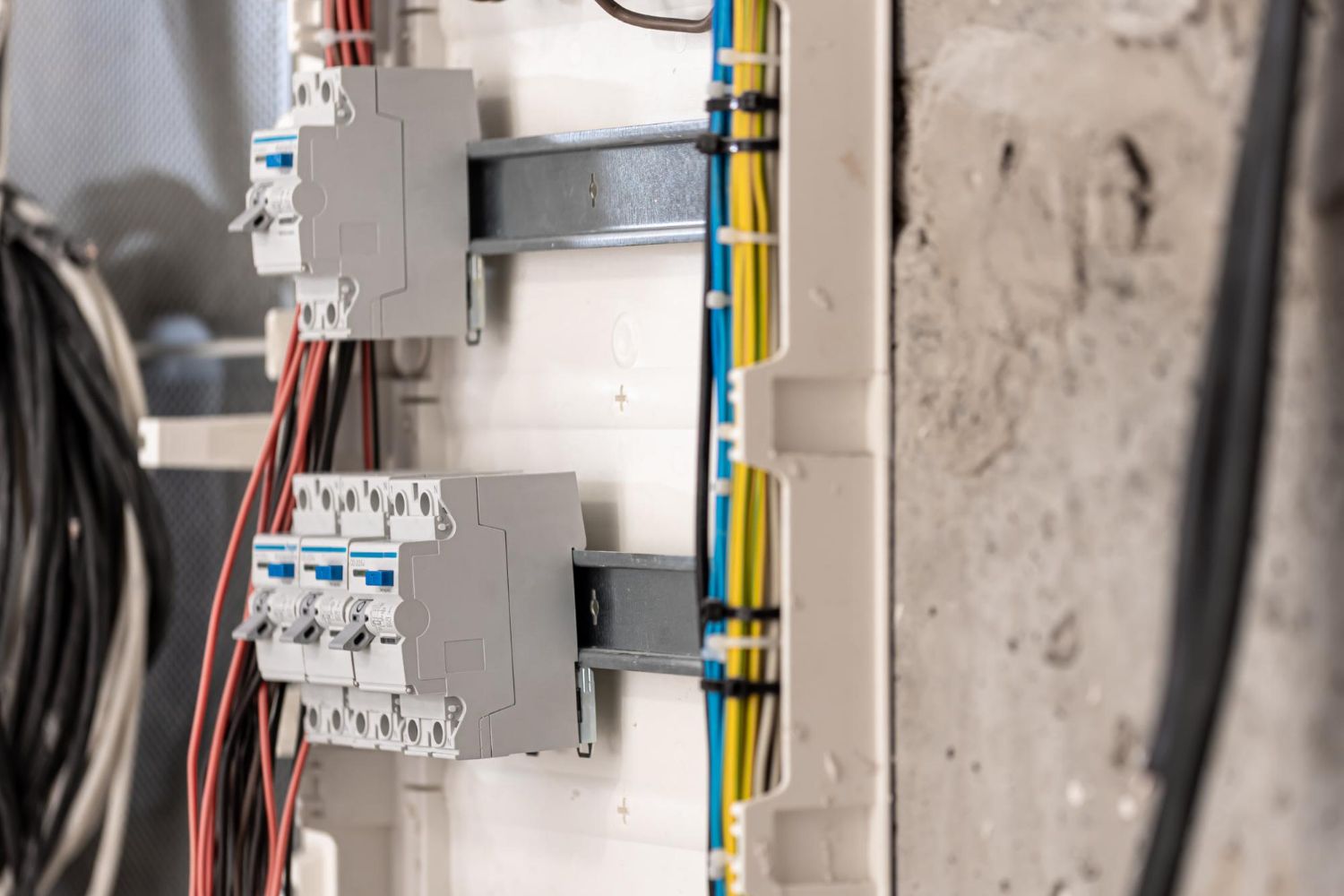
Choosing Acti9 IID Residual Current Circuit Breakers Safely

Protecting People and Assets with Smarter RCCB Choices

Residual current protection matters most when the weather turns cold and wet. In winter, we see more portable heaters, longer extension leads, damp job sites and temporary power everywhere. All of that can increase earth leakage and fault risks, especially around metalwork and wet areas.

A residual current circuit breaker, or RCCB, is there to trip when it detects leakage to earth, which helps prevent electric shock and reduces the risk of fire. It works alongside MCBs and other protection so people and equipment are better protected if something goes wrong.

Schneider Electric’s Acti9 iID residual current circuit breaker is a popular choice for Australian sparkies and OEMs who want reliable, compliant protection without drama on site. This guide is for electrical contractors, switchboard builders, maintenance teams and engineers who specify Schneider gear for commercial and industrial projects. We will walk through how to choose Acti9 iID devices in a practical way, to cut down on call backs, inspection issues and cold-weather outages.

Understanding Acti9 iID Residual Current Protection

Acti9 iID RCCBs are designed to provide residual current protection across a wide range of commercial and industrial boards. They sit with MCBs and other Acti9 devices, usually upstream of final subcircuits or grouped loads, and form part of a coordinated protection scheme.

It helps to be clear on what each device does:

  • RCCB (like Acti9 iID): Trips on earth leakage, does not protect against overload or short circuit.  
  • MCB: Trips on overload and short circuit, does not see small earth leakage.  
  • RCBO: Combines both functions in a single unit.

So an Acti9 iID residual current circuit breaker is there to deal with shock and leakage risks, while separate MCBs or MCCBs look after overcurrent and fault current.

When you pick an iID, you are mostly thinking about three technical pillars:

  • Sensitivity, in milliamps, for example 10 mA, 30 mA or higher  
  • Tripping behaviour, such as instantaneous or time‑delayed  
  • Type, for example AC, A, F or B, matched to the load

Good residual protection also has to line up with AS/NZS 3000 and related Australian standards. Inspectors generally like to see recognised brands that clearly state ratings and types, which helps during audits and future maintenance. Winter is a common time for fit-outs, panel upgrades in older buildings and temporary boards on construction sites, so having a clear plan for residual protection up front saves a lot of cold, late-night troubleshooting.

Matching iID Types to Real-World Loads Safely

Choosing the right type of iID is one of the biggest safety and reliability decisions you make on a board. Each type suits different kinds of leakage waveforms.

In simple terms:

  • Type AC: For standard AC sinusoidal leakage. Common on basic lighting and general power where loads are simple.  
  • Type A: Handles AC plus pulsating DC leakage from electronic loads like many appliances and some control gear. Often the sensible minimum on mixed modern circuits.  
  • Type F: Designed for single-phase variable speed drives and similar, with higher frequency components and some DC leakage.  
  • Type B: For loads that can create smooth DC leakage, such as some EV chargers, certain drives, UPS and specialised power electronics.

Modern gear like VSDs, EV chargers, solar-related equipment and HVAC with electronic control can create DC components in the fault current. If you put a basic AC type RCCB on those circuits, you risk both nuisance tripping and, more seriously, the device being partially blinded by DC and not tripping when you really need it.

A simple way to think about it:

  • Simple resistive and basic inductive loads, Type AC may still be fine.  
  • Mixed general circuits with electronics, Type A is often the safer baseline.  
  • Motor-driven plant on drives or complex electronic equipment, think Type F or B, depending on the manufacturer guidance.

Choosing the right type helps reduce nuisance trips in cool, damp spots like warehouse cool rooms, outdoor plant, or winter construction boards, where every lost hour hurts productivity. Switchboard designers often standardise on a small set of Acti9 iID types so they can cover most loads across a site and keep protection consistent without overcomplicating the layout.

Choosing Correct Ratings, Poles and Installation Layout

Once the type is sorted, you need to match the rating, sensitivity and pole configuration to the job.

Current rating should line up with the load and upstream protection. The iID must not be overloaded by the downstream circuits, and it should coordinate with the MCBs or MCCBs above it. Think about:

  • Nominal load current on the group of circuits  
  • The rating of the upstream breaker  
  • Any expected future expansion on that section of the board

For sensitivity:

  • 10 mA is used for very high personal protection in special areas, where required by design or standard.  
  • 30 mA is common for general personal shock protection and is often the go-to level for many final subcircuits.  
  • Higher mA settings can be used where the main aim is fire protection or equipment protection, not direct contact protection.

Pole choices need to match the supply and layout:

  • 1P+N or 2P for single-phase circuits and small submains  
  • 3P for three-phase loads without neutral  
  • 4P for three-phase systems with neutral, common in commercial boards with mixed loads

Coordination with MCBs, MCCBs and upstream devices is key. You want proper discrimination so a fault on a final circuit trips the correct device, not the whole switchboard that feeds heating, pumps or control circuits during a cold snap. That may mean grouping loads thoughtfully and selecting appropriate time‑delayed or selective RCCBs where required by the design.

On the installation side, pay attention to:

  • Using the correct Acti9 busbar systems and accessories  
  • Clear labelling of each iID with circuit purpose and rating  
  • Ensuring test buttons are accessible and used in line with required test intervals  
  • Keeping tidy documentation for safety audits and maintenance visits

Matching Acti9 iID devices with Schneider Electric-compatible enclosures and DIN accessories can make it easier to build clean, logical layouts that are easier to service later.

Avoiding Common RCCB Mistakes on Australian Sites

Certain errors show up again and again on local jobs, especially when pressure is on to get power on quickly.

Common pitfalls include:

  • Using Type AC RCCBs on circuits with drives or EV charging equipment  
  • Under‑rating the current on an iID that feeds multiple high-load circuits  
  • Mixing devices in a way that makes discrimination and fault-finding hard  
  • Ignoring cumulative leakage from lots of small loads on one RCCB

Winter brings its own hazards. Damp outdoor outlets, temporary site sheds, portable heaters and older switchboards with borderline insulation can all push leakage levels up. That can mean either nuisance tripping if the design did not allow margin, or faults that go unnoticed if the wrong type of protection is used.

The Acti9 iID residual current circuit breaker range is built with clear markings and modular sizing, which makes it easier to match types and ratings when you are under time pressure. When the same family is used across boards, maintenance staff can quickly understand what is installed and what each device is there to protect. That helps avoid failed inspections, repeat visits and downtime during cold-weather operations, and it also supports a more consistent safety story when you hand a job over to the client.

Planning Your Next Board Upgrade with Acti9 iID

As you look over upcoming winter and Q3 projects, it helps to map out where residual current protection is required or simply a smart addition. Refurbishments, panel upgrades, EV-ready infrastructure and process changes are all good chances to step up from basic leakage protection to properly matched Acti9 iID solutions.

A simple plan looks like this:

  • Confirm load characteristics and supply arrangement for each section of the board  
  • Choose the iID type that suits the load, from AC through to B  
  • Match current rating, sensitivity and pole count to both load and upstream devices  
  • Select enclosures, busbars and other Acti9 protection so the board works as one system

Keeping a standardised core range of iID devices on hand can help workshop builds and service teams respond fast when something fails mid‑winter. At Switchboard in a Box we focus on supplying Schneider Electric switchboard components, including Acti9 residual current protection, so Australian electricians, OEMs and switchboard manufacturers can build and maintain boards that protect people and equipment properly. In the end, good residual current protection is about more than passing an inspection; it is about everyone going home safely at the end of each shift, no matter how cold and wet it is outside.

Protect Your Electrical System With Trusted Components

If you are upgrading your switchboard or planning a new installation, we can help you choose the right Acti9 iID residual current circuit breaker for your application. At Switchboard in a Box, we supply quality components and practical guidance so your project meets Australian standards and runs reliably. Talk to our team about your requirements or request a quote via our contact page today.

Leveraging Acti9 Smartlink Modbus for Smarter Switchboards

Discover how Acti9 SmartLink Modbus enhances switchboard monitoring, control and diagnostics for electricians, OEMs and builders in Australia.

What Is the Best Switchboard Panel in Australia?

When Australian electricians talk about reliability, compliance, and long‑term serviceability, one name consistently rises above the rest: Schneider Electric. Across commercial, industrial, and residential switchboards, Schneider’s modular architecture, safety engineering, and globally certified manufacturing standards make their panels the benchmark for Australian conditions.

Common Acti9 ICT Modular Contactor Mistakes Electricians Make

Avoid common mistakes electricians make choosing and wiring Acti9 ICT 100A modular contactors for safer, more reliable Australian switchboards.

Choosing Acti9 IIL Voltage Presence Indicator Lights Safely

Learn how to choose and install Acti 9 IIL voltage presence indicator lights safely, covering compliance, ratings, wiring checks and best practice tips.
Picture of Support 24/7

Support 24/7

Supporting electricians, OEMs, and switchboard builders with fast, accurate support.
Picture of Easy Returns

Easy Returns

One return policy for all products, we replace faulty ordered products.
Picture of Fast Shipping

Fast Shipping

Generally our delivery times are within 1-3 days from your order!
Picture of Free Delivery

Free Delivery

Order over $499 and free shipping is unlocked on us.