
 Terms & Conditions
 Locations
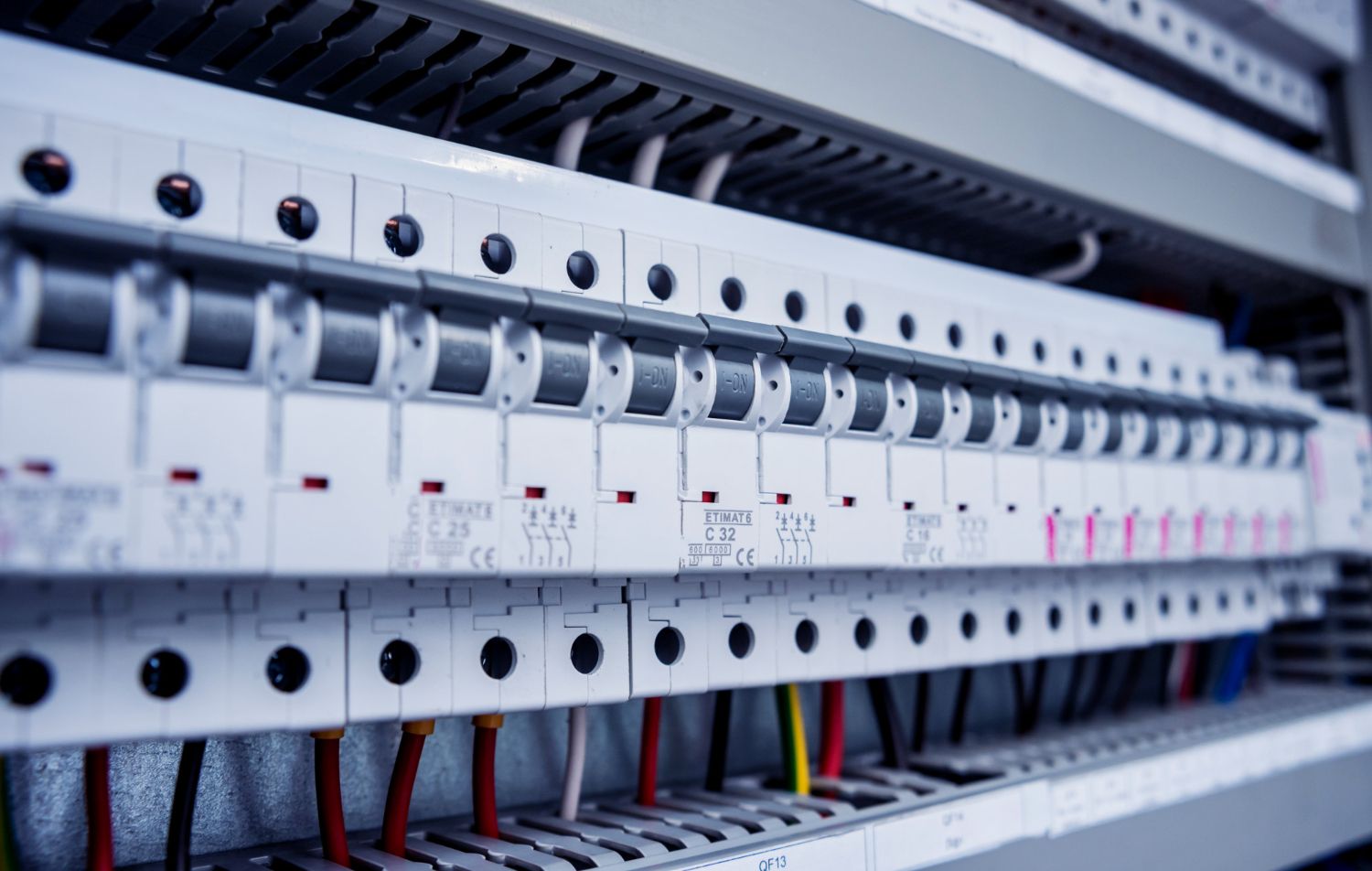
Smarter Power Distribution for Growing Commercial Sites
Designing commercial three-phase distribution boards is all about keeping the lights on and the gear running when your site is under pressure. When the summer heat hits across Australia, HVAC systems work hard, lifts get a workout, and kitchen plant or workshop gear keeps drawing strong loads. A board that is thrown together as an afterthought will quickly show its limits with nuisance tripping, hot spots, and frustrated tenants.
A well-planned three-phase board gives you safer power, smoother operation, and room to grow. It supports changing tenants, new equipment, and things like EV chargers or data racks that seem to appear out of nowhere. In this article, we walk through load assessment, fault levels, device coordination, Australian standards, and practical product choices using common Schneider Electric components that you can source easily for your next build or upgrade.
Understanding Your Commercial Three-Phase Load Profile
Before choosing a main switch or breaker frame size, it pays to understand what you are actually feeding. Commercial sites rarely have nice, even, steady loads. Instead you see a mix of:
- HVAC plant like split systems, chillers or package units
- Lifts, escalators and auto doors
- Kitchen and café equipment
- Data racks, comms gear and UPS systems
- EV chargers in car parks
- Workshop tools, pumps and fans
These loads do not all hit at once, and that is where diversity and simultaneity come in. For example, HVAC might peak in the afternoon, while kitchen plant peaks around meal times, and EV chargers kick in after business hours. When you build a load profile, think about:
- Seasonal peaks, for example summer cooling and winter heating
- Business hours versus 24/7 spaces like car parks or comms rooms
- Start-up currents for motors, not just running currents
- Likely tenant fit-outs, mezzanines or extra plant down the track
From this, you can size your main switch, busbars and submains with some confidence, while still allowing headroom. It also lets you think about power factor correction and any embedded generation, such as solar or batteries that may connect into the board. These can improve power quality but also change fault levels and backfeed paths, which must be reflected in your design.
Key Design Principles for Safe, Compliant Boards
In Australia, commercial three-phase distribution boards do not stand alone. They sit under rules such as AS/NZS 3000, the AS/NZS 61439 series for switchgear and controlgear assemblies, and any supply authority or local rules. These set the framework for things like clearances, earthing, protective devices and forms of separation.
A key early step is working out the prospective short-circuit current at the point of supply. That value, plus any contribution from generators or large motors, drives the required:
- Breaking capacity of MCBs, MCCBs and other devices
- Withstand rating of busbars and connections
- Need for special fault limiting or cascading solutions
Get this wrong and your board may look fine on paper but fail under a fault, which is a serious safety risk.
Safety is not just about fault levels. You also need to think about:
- IP ratings that suit indoor plant rooms, outdoor enclosures or dusty workshops
- Internal form of separation to keep busbars, functional units and terminals safe and accessible
- Clear cable routing and bending radii so terminations are sound and easy to inspect
- Logical, durable labelling that supports safe isolation and maintenance
This makes life easier for technicians working in a busy switch room, and lowers the chance of accidental outages during testing or repairs.
Choosing Circuit Protection and Motor Control Devices
Once the framework is clear, the fun part is choosing the outgoing devices. Commercial boards often mix:
- MCCBs for main switches and high-current feeders
- MCBs for final subcircuits such as power and lighting
- RCDs or RCBOs to provide additional protection where required
- Motor protection circuit breakers, soft starters and contactors for pumps, fans and other motors
MCBs and RCBOs work well for smaller loads and final circuits. MCCBs handle higher currents, adjustable settings and stronger fault duties. Motor protection breakers and TeSys style motor control gear let you provide overload, short-circuit and control in a compact format for mechanical plant.
Device coordination is where a lot of performance is either won or lost. You want a fault on one small circuit to trip only that breaker, not the whole board. That means paying attention to:
- Time-current curves for upstream and downstream devices
- Selectivity between MCCBs and MCBs
- Residual current device coordination to avoid upstream RCDs tripping first
Schneider Electric offers families of breakers and motor control products that are designed to work together, such as ComPacT MCCBs, Acti9 modular devices and TeSys motor starters. Using a consistent system can make discrimination studies, spare parts management and future upgrades much easier on site.
Practical Layout, Enclosure and Installation Decisions
A good electrical design can still fall down if the board is hard to install or work on. Choosing the right enclosure is a big part of this. For example, in many Australian locations you will need to think about:
- Indoor versus outdoor exposure, including sun and rain
- IP and IK ratings for dust, water and impact resistance
- Corrosion resistance in coastal, industrial or chemical areas
- Thermal management, since boards running hard through hot summers can get very warm
Inside the board, aim for a layout that feels natural to anyone who opens the door. Often that means grouping:
- Lighting separately from power and mechanical loads
- Essential and non-essential supplies
- Large mechanical plant near the bottom where cable entry is easier
Leave spare ways and space for future upgrades, not just spare poles but also room on the busbars and neutral/earth bars. Maintain proper cable bending radii and avoid crowding terminals. That way, testing, lockout/tagout and fault-finding stay manageable as the building ages.
Out in the plant room, coordinate with other trades so you keep clear access in front of boards, allow for the pathway of future submains, and avoid ducts or pipes blocking the doors. Pre-configured or board-in-a-box style solutions can help shorten installation time and reduce on-site wiring mistakes, especially on repeat layouts across a site.
Bringing It All Together With Switchboard in a Box
When we put all these pieces together, a clear pattern appears. Strong commercial three-phase distribution boards start with a solid load study, are shaped by Australian standards and local rules, and use coordinated protection, motor control and enclosures that suit the real-world conditions of the site.
At Switchboard in a Box, we focus on supplying Schneider Electric switchboard components, protection devices and enclosures that support this way of working for Australian commercial and industrial projects. With modular gear on hand and clear technical information, it becomes much easier for designers and contractors to standardise, reduce downtime, and keep boards safe and flexible as buildings change over time.
Get Started With Your Project Today
If you are planning a new installation or upgrading existing infrastructure, our commercial three-phase distribution boards are engineered to simplify design and compliance. At Switchboard in a Box, we work with you to match the right configuration to your project requirements and timelines. Reach out to our team to discuss specifications, pricing and lead times, or use our contact form and we will get back to you promptly.