
 Terms & Conditions
 Locations
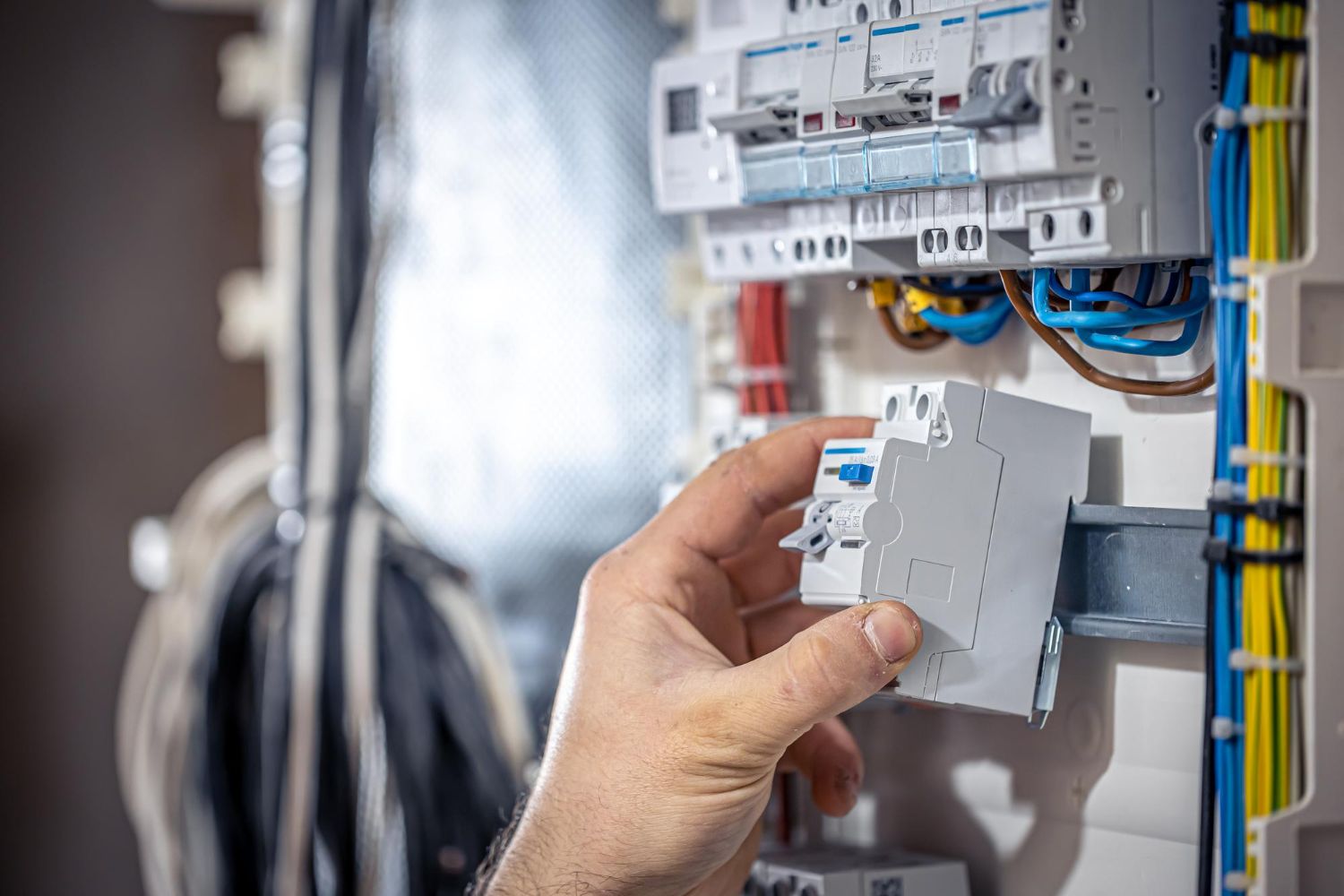
Protecting Industrial Uptime in a Storm‑Prone Nation
Industrial plants in Australia take a real hit once the late winter and early spring storms roll in. Lightning, strong winds and unstable supply can flip a smooth production day into a mess of trips, alarms and fault lights. Keeping lines running is not just about strong gear, it is about how well that gear is protected from sudden surges.
In factories, quarries, processing plants and commercial buildings, even one bad surge can stop everything. PLCs lock up, drives throw errors, power supplies die and protection devices trip out. That all leads to lost production and stressed maintenance teams trying to work out what failed first.
That is where Schneider Electric’s Acti9 surge protection range comes in, with the Acti9 iPRD surge arrester withdrawable cartridge sitting at the heart of the system. It gives a clear way to protect against surges and get power back online faster after a hit. As an Australian online supplier focused on Schneider Electric switchboard components, we work with electricians, OEMs and switchboard builders who want their boards ready for storm season, not scrambling after it.
How Surges Really Damage Industrial Equipment
On many Australian sites, surges do not only come from direct lightning strikes. They creep in from all kinds of everyday events, such as:
- Lightning on nearby overhead lines
- Utility switching and grid faults during storms
- Large motor starts and stops inside the plant
- Nearby heavy industry dumping disturbances back into the network
The scary part is that not every surge blows something up right away. A lot of the damage is slow and sneaky. Power supplies might keep running but run hotter. VSDs can show odd trips now and then. Control gear might reset once in a while, and it is easy to blame software or operators instead of the power quality feeding the panel.
Over time, those small surges stress insulation and electronic components. That turns into:
- Unexpected failures in the middle of a production run
- Extra call-outs for electricians and techs
- Scrap product from mid-cycle stoppages
- Headaches for OEMs when their machines fail on a customer’s site
Because of this, good Type 2 surge protection at main and sub‑distribution boards is now seen as normal practice on serious industrial and commercial installations. It is not a fancy extra, it is part of good design, especially when the site has long cable runs, sensitive control systems or is in a storm‑prone area.
Why Choose Acti9 IPRD Surge Arrester Cartridges
Schneider Electric’s Acti9 iPRD surge arrester withdrawable cartridge is built with day‑to‑day maintenance in mind, not just lab specs. The key features many electricians appreciate are:
- Modular design that fits neatly on DIN rail
- Clear status indication so you can see if the module is still healthy
- Withdrawable cartridges that can be swapped without disturbing fixed cabling
- Coordination with other Acti9 protection devices in the same board
Instead of having to disconnect wiring or replace a whole device after a major surge, you can pull the used cartridge, clip in a new one and move on. That means less time with covers off and fewer hands near live parts. For plants that run long hours, this can be the difference between a quick scheduled stop and a long unexpected shutdown.
Because the Acti9 system is widely used in Australian industrial and commercial switchboards, iPRD cartridges slot easily into many standard layouts. OEMs and switchboard builders can keep their designs consistent and straightforward. With the right selection, the Acti9 range also supports compliance with local wiring rules and good engineering practice for surge protection on important circuits.
Designing Switchboards That Keep Plants Running
Good surge defence starts at the drawing board. Where you place the Acti9 iPRD surge arrester withdrawable cartridge in a board has a big impact on how well the whole installation rides out a storm.
For most plants, that means protection at:
- Main incoming panels, where surges first enter the site
- Critical sub‑boards that feed control systems and automation
- Boards supplying servers, SCADA, PLC racks and communications gear
- Panels feeding VSDs and OEM machinery with sensitive electronics
Multiple iPRD devices can be coordinated so that surges are controlled in stages. Upstream devices take the heavy hit, while downstream devices limit what actually reaches the most sensitive loads. Good discrimination with upstream breakers and fuses helps keep nuisance tripping to a minimum while still clearing real faults.
When choosing the right cartridge, designers and contractors should think about:
- System voltage and whether the system is single or three-phase
- Earthing arrangement on the site
- Expected surge exposure, such as overhead versus underground supply
- How sensitive the connected equipment is and how long cable runs are
Switchboard builders also need to allow the space and layout to make cartridge changes easy. That means planning DIN rail positions, segregation, clear labelling and enough front access so that maintenance staff are not reaching awkwardly around other gear just to pull a cartridge. A little thought in the workshop can save a lot of time on site later.
Smarter Maintenance and Faster Fault Recovery
Once the switchboard is in service, the value of the Acti9 iPRD surge arrester withdrawable cartridge really shows up in day‑to‑day maintenance. Visual status indicators make it simple for crews to check protection during regular inspections. If a cartridge shows it has taken a hit, it can be swapped as part of a planned shutdown, not in the middle of a crisis.
During storm season, when lightning and grid events are more common, this quick changeover becomes an uptime advantage. After a strong surge, maintenance teams can:
- Inspect the status windows on iPRD cartridges
- Replace only the spent cartridges without rewiring
- Restore full surge protection before the next storm hits
For OEMs, designing their machines and control panels with iPRD cartridges built in makes life easier for the end user too. Clear instructions can be given on how to check the devices and when to call an electrician to replace them. That helps lower the total cost of ownership across the life of the equipment.
Many plants choose to keep a small stock of spare cartridges on site. That way they are not waiting on freight at the worst possible time, like when a storm front has just rolled through and the plant needs to get back to full output.
Secure Your Surge Defence Before the Next Storm Front
Storms are part of life across much of Australia, especially from August onward when the weather starts to turn. Industrial sites that take surge protection seriously tend to have fewer unexplained shutdowns, fewer strange drive trips and less pressure on maintenance teams when the sky lights up.
Reviewing surge protection is not just about adding devices to a main board. It is about stepping through critical production lines, motor control centres and automation panels and asking where a surge could creep in and what it might damage. Electricians, OEMs and switchboard builders who make the Acti9 iPRD surge arrester withdrawable cartridge a standard part of their designs give themselves and their customers a clearer, safer and quicker way to stay protected.
At Switchboard in a Box, we focus on supplying Schneider Electric switchboard components, protection devices, motor control and automation hardware that fit how Australian sites really operate. When surge protection strategy, good switchboard design and smart maintenance planning all work together, plants are better prepared for whatever the next storm front brings.
Protect Your Electrical System With Reliable Surge Solutions Today
If you are planning a new installation or upgrading an existing switchboard, we can help you select the right Acti9 iPRD surge arrester withdrawable cartridge for your project. At Switchboard in a Box, we work with you to ensure compliance, safety and ease of maintenance from the start. Speak with our team about your requirements and we will provide clear, practical advice. To discuss your project or request a quote, simply contact us.