
 Terms & Conditions
 Locations
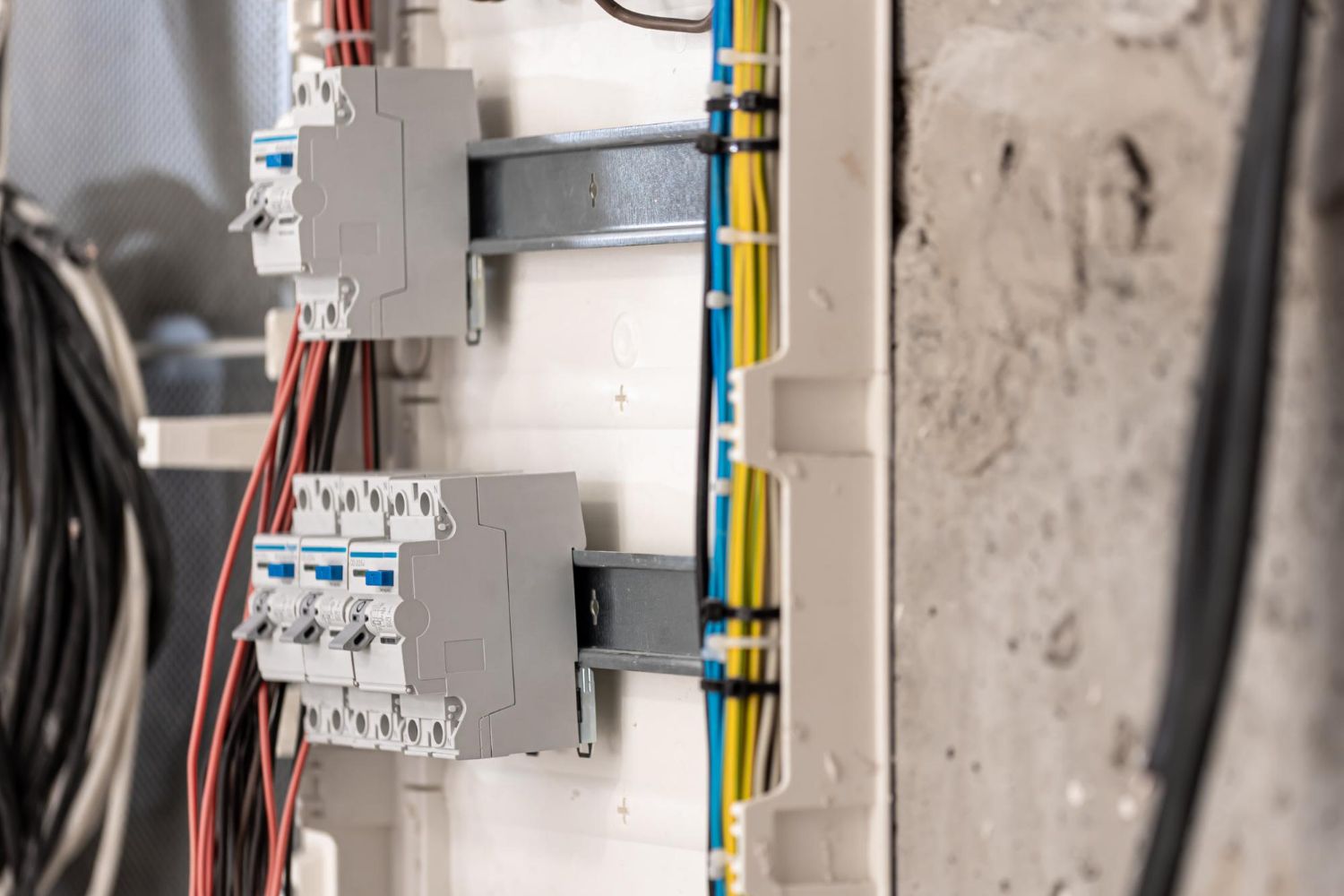
Protecting People and Assets with Smarter RCCB Choices
Residual current protection matters most when the weather turns cold and wet. In winter, we see more portable heaters, longer extension leads, damp job sites and temporary power everywhere. All of that can increase earth leakage and fault risks, especially around metalwork and wet areas.
A residual current circuit breaker, or RCCB, is there to trip when it detects leakage to earth, which helps prevent electric shock and reduces the risk of fire. It works alongside MCBs and other protection so people and equipment are better protected if something goes wrong.
Schneider Electric’s Acti9 iID residual current circuit breaker is a popular choice for Australian sparkies and OEMs who want reliable, compliant protection without drama on site. This guide is for electrical contractors, switchboard builders, maintenance teams and engineers who specify Schneider gear for commercial and industrial projects. We will walk through how to choose Acti9 iID devices in a practical way, to cut down on call backs, inspection issues and cold-weather outages.
Understanding Acti9 iID Residual Current Protection
Acti9 iID RCCBs are designed to provide residual current protection across a wide range of commercial and industrial boards. They sit with MCBs and other Acti9 devices, usually upstream of final subcircuits or grouped loads, and form part of a coordinated protection scheme.
It helps to be clear on what each device does:
- RCCB (like Acti9 iID): Trips on earth leakage, does not protect against overload or short circuit.
- MCB: Trips on overload and short circuit, does not see small earth leakage.
- RCBO: Combines both functions in a single unit.
So an Acti9 iID residual current circuit breaker is there to deal with shock and leakage risks, while separate MCBs or MCCBs look after overcurrent and fault current.
When you pick an iID, you are mostly thinking about three technical pillars:
- Sensitivity, in milliamps, for example 10 mA, 30 mA or higher
- Tripping behaviour, such as instantaneous or time‑delayed
- Type, for example AC, A, F or B, matched to the load
Good residual protection also has to line up with AS/NZS 3000 and related Australian standards. Inspectors generally like to see recognised brands that clearly state ratings and types, which helps during audits and future maintenance. Winter is a common time for fit-outs, panel upgrades in older buildings and temporary boards on construction sites, so having a clear plan for residual protection up front saves a lot of cold, late-night troubleshooting.
Matching iID Types to Real-World Loads Safely
Choosing the right type of iID is one of the biggest safety and reliability decisions you make on a board. Each type suits different kinds of leakage waveforms.
In simple terms:
- Type AC: For standard AC sinusoidal leakage. Common on basic lighting and general power where loads are simple.
- Type A: Handles AC plus pulsating DC leakage from electronic loads like many appliances and some control gear. Often the sensible minimum on mixed modern circuits.
- Type F: Designed for single-phase variable speed drives and similar, with higher frequency components and some DC leakage.
- Type B: For loads that can create smooth DC leakage, such as some EV chargers, certain drives, UPS and specialised power electronics.
Modern gear like VSDs, EV chargers, solar-related equipment and HVAC with electronic control can create DC components in the fault current. If you put a basic AC type RCCB on those circuits, you risk both nuisance tripping and, more seriously, the device being partially blinded by DC and not tripping when you really need it.
A simple way to think about it:
- Simple resistive and basic inductive loads, Type AC may still be fine.
- Mixed general circuits with electronics, Type A is often the safer baseline.
- Motor-driven plant on drives or complex electronic equipment, think Type F or B, depending on the manufacturer guidance.
Choosing the right type helps reduce nuisance trips in cool, damp spots like warehouse cool rooms, outdoor plant, or winter construction boards, where every lost hour hurts productivity. Switchboard designers often standardise on a small set of Acti9 iID types so they can cover most loads across a site and keep protection consistent without overcomplicating the layout.
Choosing Correct Ratings, Poles and Installation Layout
Once the type is sorted, you need to match the rating, sensitivity and pole configuration to the job.
Current rating should line up with the load and upstream protection. The iID must not be overloaded by the downstream circuits, and it should coordinate with the MCBs or MCCBs above it. Think about:
- Nominal load current on the group of circuits
- The rating of the upstream breaker
- Any expected future expansion on that section of the board
For sensitivity:
- 10 mA is used for very high personal protection in special areas, where required by design or standard.
- 30 mA is common for general personal shock protection and is often the go-to level for many final subcircuits.
- Higher mA settings can be used where the main aim is fire protection or equipment protection, not direct contact protection.
Pole choices need to match the supply and layout:
- 1P+N or 2P for single-phase circuits and small submains
- 3P for three-phase loads without neutral
- 4P for three-phase systems with neutral, common in commercial boards with mixed loads
Coordination with MCBs, MCCBs and upstream devices is key. You want proper discrimination so a fault on a final circuit trips the correct device, not the whole switchboard that feeds heating, pumps or control circuits during a cold snap. That may mean grouping loads thoughtfully and selecting appropriate time‑delayed or selective RCCBs where required by the design.
On the installation side, pay attention to:
- Using the correct Acti9 busbar systems and accessories
- Clear labelling of each iID with circuit purpose and rating
- Ensuring test buttons are accessible and used in line with required test intervals
- Keeping tidy documentation for safety audits and maintenance visits
Matching Acti9 iID devices with Schneider Electric-compatible enclosures and DIN accessories can make it easier to build clean, logical layouts that are easier to service later.
Avoiding Common RCCB Mistakes on Australian Sites
Certain errors show up again and again on local jobs, especially when pressure is on to get power on quickly.
Common pitfalls include:
- Using Type AC RCCBs on circuits with drives or EV charging equipment
- Under‑rating the current on an iID that feeds multiple high-load circuits
- Mixing devices in a way that makes discrimination and fault-finding hard
- Ignoring cumulative leakage from lots of small loads on one RCCB
Winter brings its own hazards. Damp outdoor outlets, temporary site sheds, portable heaters and older switchboards with borderline insulation can all push leakage levels up. That can mean either nuisance tripping if the design did not allow margin, or faults that go unnoticed if the wrong type of protection is used.
The Acti9 iID residual current circuit breaker range is built with clear markings and modular sizing, which makes it easier to match types and ratings when you are under time pressure. When the same family is used across boards, maintenance staff can quickly understand what is installed and what each device is there to protect. That helps avoid failed inspections, repeat visits and downtime during cold-weather operations, and it also supports a more consistent safety story when you hand a job over to the client.
Planning Your Next Board Upgrade with Acti9 iID
As you look over upcoming winter and Q3 projects, it helps to map out where residual current protection is required or simply a smart addition. Refurbishments, panel upgrades, EV-ready infrastructure and process changes are all good chances to step up from basic leakage protection to properly matched Acti9 iID solutions.
A simple plan looks like this:
- Confirm load characteristics and supply arrangement for each section of the board
- Choose the iID type that suits the load, from AC through to B
- Match current rating, sensitivity and pole count to both load and upstream devices
- Select enclosures, busbars and other Acti9 protection so the board works as one system
Keeping a standardised core range of iID devices on hand can help workshop builds and service teams respond fast when something fails mid‑winter. At Switchboard in a Box we focus on supplying Schneider Electric switchboard components, including Acti9 residual current protection, so Australian electricians, OEMs and switchboard manufacturers can build and maintain boards that protect people and equipment properly. In the end, good residual current protection is about more than passing an inspection; it is about everyone going home safely at the end of each shift, no matter how cold and wet it is outside.
Protect Your Electrical System With Trusted Components
If you are upgrading your switchboard or planning a new installation, we can help you choose the right Acti9 iID residual current circuit breaker for your application. At Switchboard in a Box, we supply quality components and practical guidance so your project meets Australian standards and runs reliably. Talk to our team about your requirements or request a quote via our contact page today.