
 Terms & Conditions
 Locations
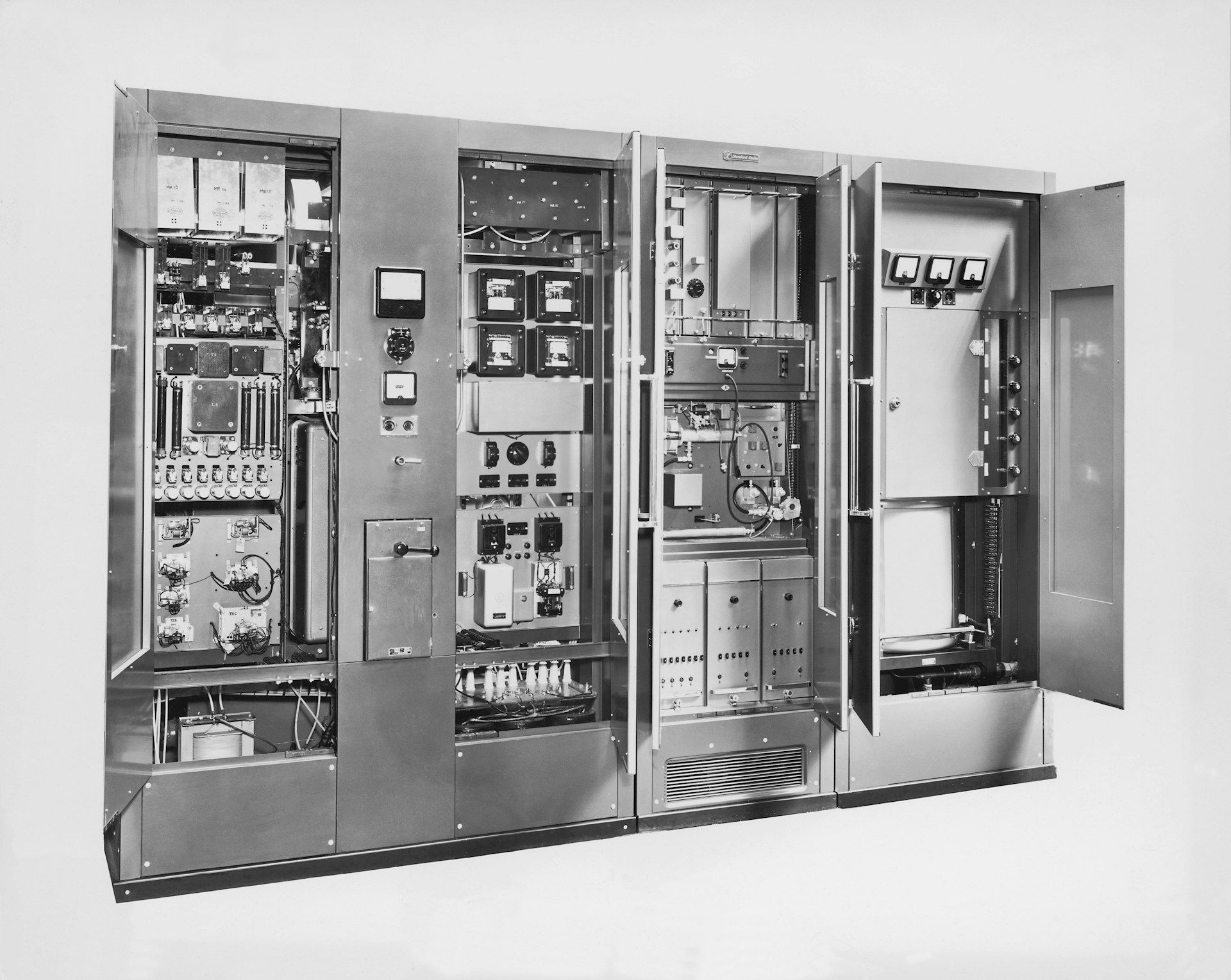
Upgrading Motor Control Panels Without Costly Rebuilds
Many plants across Australia are stuck in the same spot: old motor control centres still running, but not running well. The drives trip too often, parts are hard to find, and no one really wants to plan a full MCC replacement that will shut things down for days.
Altivar 71 drives give another option. Instead of ripping out whole sections of a board, we can retrofit these drives into existing motor control panels and lift performance without a full redesign. It is a way to stretch the life of panels that still have good bones, while improving control, protection and reliability.
Late winter and August in particular are a smart time to think about this. There is still a bit of breathing room before the summer heat pushes cooling loads, pumps and process lines to their limits. Planning Altivar 71 upgrades now means your key motors are steady and ready when temperatures climb and demand peaks.
With the right planning, you can keep the gear you already know, avoid big rebuilds, and still get better drive performance where it matters most.
When an Altivar 71 Retrofit Makes Commercial Sense
Not every panel needs new drives, but there are clear signs that an Altivar 71 swap is worth a serious look. We see the same triggers again and again in plants and facilities:
- Recurring VSD faults that chew up maintenance hours
- Legacy drives that are now obsolete or hard to support
- Poor energy performance on fans and pumps running long hours
- Nuisance trips that upset production and annoy operators
- Rising maintenance time on ageing starters and drives
When these problems start stacking up, it helps to step back and look at a few decision factors before you commit to a full MCC rebuild.
Key things to review include:
- Motor sizes, duty cycles and starting torque needs
- How critical each motor is to production or safety
- Harmonic limits set by the site or the supply authority
- How operators control the motor, local push buttons, remote control, PLC or a mix
Altivar 71 drives can be fitted as targeted replacements on those trouble spots. By picking off the worst performers first, you can smooth out problem areas, cut energy use on long-running loads like fans, and often delay a large MCC replacement for years. That frees up capital for other projects like new lines, safety upgrades or site expansions.
Checking Panel Compatibility Before You Choose a Drive
Before choosing any Altivar 71, the panel itself needs a proper check. A bit of upfront care here saves pain on site later.
On the power and installation side, make sure you are clear on:
- Supply voltage, short-circuit level and earthing method
- Available space in the panel and how drives will be mounted
- Heat load, air flow paths and overall cooling of the section
- IP rating needed for the environment, dust, moisture, washdown
- Segregation between power and control wiring to manage EMC
Then look at how the control side is built today. Most existing panels have their own contactors, overloads and hardwired interlocks that you still want to use. Things to review include:
- Existing contactors and overloads feeding each motor
- PLC I/O, relays and hardwired stop, start and trip circuits
- Field devices like pressure switches, float switches and thermostats
- Any existing speed reference signals such as analogue outputs from a PLC
The Altivar 71 has flexible I/O and can usually sit neatly into this picture, but it is better to map it out on paper first.
Compliance and safety also matter. In Australia you need to be confident your upgraded panel will align with standards such as AS/NZS 3000 and AS 61439, along with any site rules. That includes checking short circuit ratings, correct earthing, EMC practices and safe lockout and tagout points so electrical work can be done safely during faults or shutdowns.
Matching Altivar 71 Features to Your Application
Altivar 71 drives have a wide feature set, but the real value comes from matching those features to what your motors actually do each day.
For different loads, you might focus on:
- Torque control for conveyors, cranes, hoists and materials handling
- Pump and fan functions like sleep modes or low flow protection
- Custom acceleration and deceleration ramps to avoid water hammer or belt slip
- Fine tuning protection for high inertia or high starting torque loads
On the integration front, there are a few paths you can take. Many existing panels still run mostly on hardwired signals, and the Altivar 71 can work happily in that mode. Where plants are moving to digital networks, you can add communication options for Modbus, Profibus or Ethernet, and tie the drive into the site control system. The choice often comes down to what your PLC and network setup already look like.
Reliability and maintainability are where retrofit projects can quietly win. Some simple but important checks include:
- Derating the drive properly for summer heat inside the panel
- Confirming cooling paths and ventilation grills are not restricted
- Planning a small stock of common spare parts for critical motors
- Backing up parameters so future swaps or repairs are quicker and cleaner
Done well, your upgraded section should be easier to live with than the old gear, not just more complex.
Winter-to-Summer Planning for Panel Upgrades
In many parts of Australia, the pattern is pretty clear: winter is calmer, and summer is when systems get pushed. Using late winter and early spring for drive upgrades makes good sense, especially for cooling towers, building HVAC, irrigation, mine dewatering and other long run services.
Seasonal planning often works best when you:
- Lock in shutdown windows with production early
- Agree which motors can be stopped, and which must stay available
- Group similar drives so electricians and techs work efficiently
- Leave enough time for testing, tuning and operator training before peak season
Site readiness is just as important as the gear itself. Before anyone turns a screw, it helps to:
- Confirm you have all Altivar 71 units, options and accessories on hand
- Prepare standard parameter sets for common motor sizes
- Review risk assessments with safety and maintenance teams
- Have clear commissioning plans, including who signs off what
To reduce risk even more, many plants use staged changeovers. For example, you might:
- Upgrade one or two similar pumps first and run them for a short period
- Keep at least one motor on the old setup until you are confident
- Use test runs on low demand days to catch any control logic issues
That way, critical services stay available while new drives are integrated and proven inside the existing panels.
Turning Existing Panels Into High-Performance Assets
Aging motor control panels do not always need the scrap heap. With smart use of Altivar 71 drives, you can turn those panels into efficient, reliable and compliant parts of the plant again, without committing to full replacement.
A practical way forward is to:
- Audit your current drives and starters across the site
- Flag motors that are critical, fault-prone or energy heavy
- Check panel compatibility and any standards that apply on site
- Build a phased retrofit plan from winter through to summer, so upgrades land before the hot weather and peak loads arrive
At Switchboard in a Box, we work with Schneider Electric switchboards, switchgear, drives, motor control, protection and enclosures every day, supplying projects across Australia. Thoughtful planning, careful panel checks and well chosen Altivar 71 retrofits can keep your existing motor control panels working harder and smarter for many years to come.
Get Started With Your Project Today
If you are planning your next motor control upgrade or new installation, we can help you integrate the Altivar 71 into a practical, compliant solution. At Switchboard in a Box, we work with you to size, configure and package your drives so they are ready to install with minimal site work. Tell us about your project requirements and we will recommend a tailored approach that suits your budget and timeline. To discuss specifications or request a quote, simply contact us.